
How to identify the best chocolates for your restaurant ?

In the competitive restaurant industry, quality and taste can set your establishment apart. Chocolates, being versatile and beloved, play a critical role in enhancing desserts, beverages, and overall dining experiences. But how do you choose the best chocolates to elevate your culinary offerings? Here’s a straightforward guide to identifying and sourcing the finest chocolates for your restaurant in Qatar. 1. Understand Your Restaurant’s Needs Identify the specific uses for chocolates in your restaurant. Are they for desserts, pastries, beverages, or garnishing? Defining your exact needs helps you narrow down chocolate types such as couverture, compound, or baking chocolates. 2. Focus on Quality and Origin High-quality chocolates often come from regions known for their cocoa bean excellence, such as Belgium, Switzerland, France, and Italy. Look for chocolates that specify their cocoa origin, percentage, and whether they contain pure cocoa butter. Premium chocolates usually highlight their sourcing transparently. 3. Cocoa Percentage Matters The cocoa percentage significantly influences flavor and usability. Higher cocoa percentages (above 70%) provide intense, rich flavors ideal for sophisticated desserts or gourmet chocolates. Chocolates with 50%-60% cocoa content offer a balance of sweetness and depth, suitable for general use. 4. Taste and Texture Testing Always sample chocolates before bulk purchases. Pay attention to flavor notes (fruity, nutty, floral, earthy), smoothness, and texture. Superior chocolates melt evenly in the mouth and leave no waxy aftertaste. 5. Compatibility with Menu Items Ensure the chosen chocolate complements your menu. For instance, dark chocolates pair exceptionally well with nuts, spices, and coffee-based desserts, while milk chocolates harmonize beautifully with caramel, fruits, and dairy-based dishes. 6. Evaluate Supplier Credibility Choose a reliable supplier with a proven track record. Trusted suppliers like JAS Global Trading offer globally sourced premium chocolates that meet quality assurance standards, ensuring consistent supply and freshness. 7. Packaging and Storage Opt for chocolates that are well-packaged to maintain freshness, prevent melting, and avoid flavor contamination. Proper storage guidelines provided by suppliers should be strictly followed to preserve chocolate quality. 8. Sustainability and Ethical Practices Consumers increasingly prefer ethically sourced and sustainably produced chocolates. Certifications such as Fair Trade or Rainforest Alliance can significantly enhance your brand reputation. By thoughtfully selecting chocolates, your restaurant can delight customers, elevate dishes, and strengthen your culinary reputation. Trust a reputable partner like JAS Global Trading to connect your establishment with the world’s finest chocolates, ensuring quality, consistency, and unparalleled taste experiences.
HoReCa Food Trends 2025: What Restaurants Need to Know ?
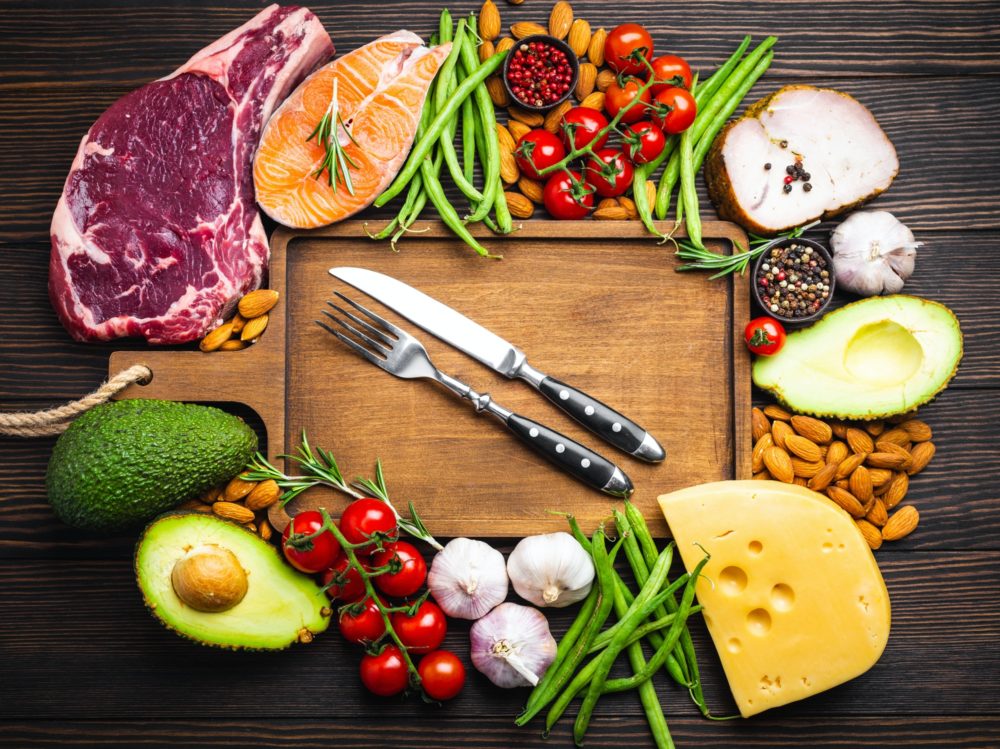
As we approach 2025, the restaurant and hospitality industry (HoReCa) continues to evolve rapidly, shaped by consumer preferences, technological advancements, and sustainability demands. For restaurants aiming to stay ahead of the curve in Qatar and globally, here are key food trends to watch closely and adopt proactively. 1. Sustainable and Ethical Sourcing Consumers increasingly prioritize sustainability and ethical sourcing. Restaurants will need to transparently communicate the origins of their ingredients, especially for products like chocolates, nuts, spices, and fresh produce. Partnerships with suppliers who offer traceable, responsibly-sourced items will become essential. 2. Plant-Based and Alternative Proteins The popularity of plant-based diets continues to surge, pushing restaurants to offer innovative, flavorful vegetarian and vegan options. Alternative proteins, including plant-based meats, seafood substitutes, and lab-grown options, will become menu staples rather than niche offerings. 3. Health-Conscious Dining Health awareness is influencing dining choices more than ever. Restaurants must balance flavor and nutrition by incorporating ingredients that support wellness, such as nutrient-rich nuts, purees, gluten-free options, and reduced sugar products like natural syrups. 4. Global Fusion Cuisine Blending culinary traditions to create exciting new dishes remains highly appealing. Expect to see more fusion dishes combining flavors from diverse culinary backgrounds, particularly Middle Eastern, Asian, Latin American, and European influences. 5. Premium Quality Ingredients Quality will continue to dominate consumer expectations. Restaurants investing in premium-quality chocolates, creams, spreads, spices, and condiments will distinguish themselves by providing exceptional dining experiences. 6. Enhanced Digital and Delivery Experiences Technology integration will redefine the dining experience. Seamless digital ordering, advanced delivery packaging, and interactive virtual menus will become the norm. Restaurants should prepare to offer equally exceptional experiences both in-house and through delivery. 7. Functional Foods and Superfoods Incorporating functional foods and superfoods that promote health benefits beyond basic nutrition will become commonplace. Ingredients like nuts, seeds, berries, spices, and specialty beverages that boost immunity, improve digestion, or enhance mood will be highly sought after. 8. Reduced Waste Practices Zero-waste kitchens and sustainable packaging practices will be essential. Restaurants adopting waste-reducing strategies such as composting, recycling, reusable packaging, and creative use of ingredients will resonate strongly with eco-conscious consumers. 9. Artisanal and Local Offerings Consumers are increasingly attracted to artisanal, locally-produced goods. Offering locally sourced chocolates, spices, specialty waters, and unique condiments will appeal to customers’ desire for authenticity and support local economies. 10. Personalized Culinary Experiences Customization and personalization will continue to trend upwards. Restaurants must provide flexible menu options and tailored dining experiences that accommodate individual dietary preferences and lifestyle choices. By staying informed about these emerging trends and adapting accordingly, restaurants in Qatar’s dynamic HoReCa sector can ensure sustained growth, customer loyalty, and industry leadership in 2025 and beyond. Connect with reliable global suppliers like JAS Global Trading to source the finest ingredients and stay at the forefront of these industry shifts.
The Ultimate Guide to Food Cost Management for HoReCa Businesses
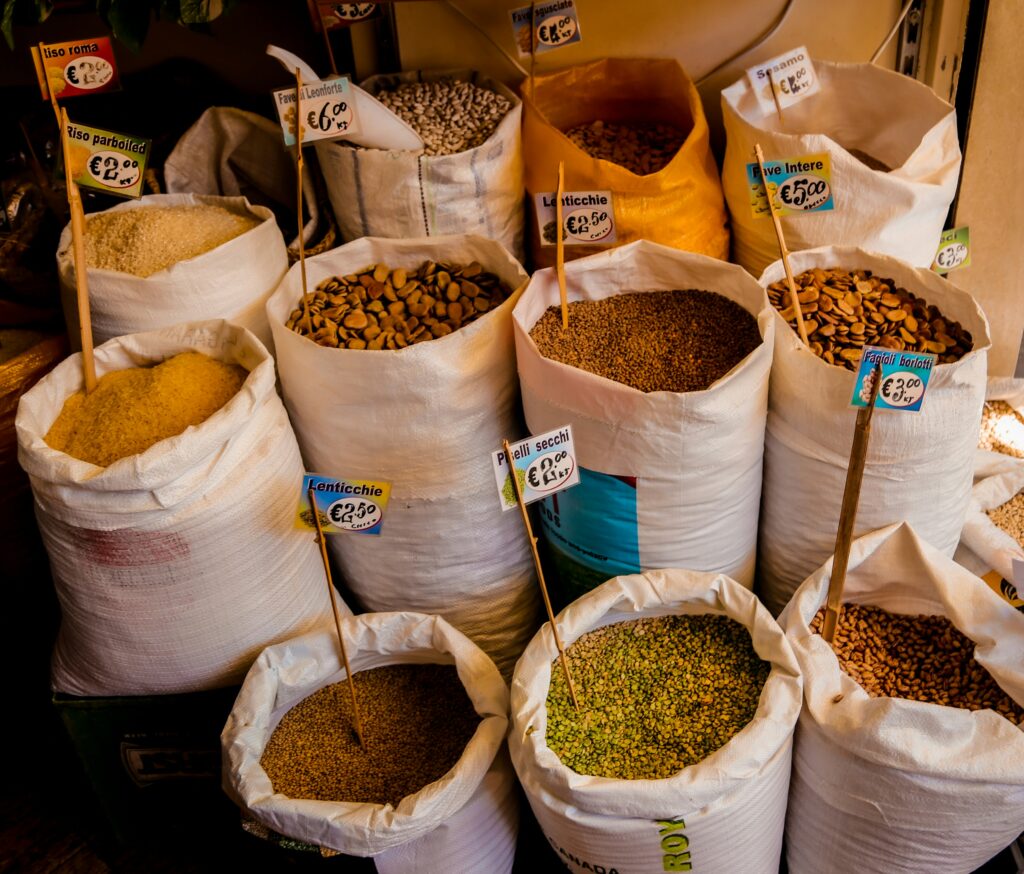
Efficient food cost management is critical for profitability in the highly competitive HoReCa sector. JAS Global Trading, committed to supporting restaurants and hospitality businesses in Qatar, provides essential insights on effectively controlling food costs while maintaining quality standards. 1. Understanding Food Cost Basics The foundation of food cost management is accurately calculating the cost per dish. Track ingredient expenses meticulously to understand where costs are allocated, identifying areas where savings can be achieved without compromising quality. 2. Optimize Inventory Management Effective inventory management minimizes waste and reduces unnecessary spending. Employ a first-in-first-out (FIFO) system, regularly conduct inventory audits, and leverage technology for accurate tracking and forecasting. 3. Establish Supplier Partnerships Developing strong relationships with reliable suppliers, like JAS Global Trading, ensures consistent quality and competitive pricing. Regular communication with your suppliers can also help negotiate better terms, bulk purchase discounts, and timely deliveries. 4. Menu Engineering for Profitability Evaluate your menu regularly to determine profitable items versus low-performing dishes. Focus on ingredients that can be cross-utilized across multiple menu items, reducing waste and maximizing profitability. 5. Portion Control and Standardization Implement standardized portion sizes and train your kitchen staff rigorously. Consistent portioning controls costs, ensures uniform customer experience, and maintains expected profit margins. 6. Minimize Waste and Maximize Yield Creatively utilize food items, reduce trim waste, and repurpose ingredients when possible. For example, utilize vegetable trimmings for stocks or sauces, ensuring every component provides value. 7. Utilize Technology and Automation Invest in modern technology solutions that streamline ordering, inventory tracking, and cost analytics. Automation reduces errors, saves time, and enhances overall operational efficiency. 8. Continuous Training and Staff Engagement Regularly train your staff on cost management principles, wastage reduction, and effective utilization of ingredients. An engaged and informed team significantly contributes to effective cost control. 9. Regular Cost Analysis and Adjustments Regularly review your food cost data and adjust strategies accordingly. Analyze trends, identify anomalies, and promptly implement corrective measures to maintain desired profitability. 10. Strategic Pricing Price your menu strategically, balancing cost, perceived value, competition, and market expectations. Align pricing strategies with your brand positioning and customer demographic. Partnering with JAS Global Trading enables HoReCa businesses in Qatar to optimize food cost management through high-quality products, competitive pricing, and expert industry insights. Achieve enhanced profitability and operational excellence by implementing these best practices in your establishment.