As we approach 2025, the restaurant and hospitality industry (HoReCa) continues to evolve rapidly, shaped by consumer preferences, technological advancements, and sustainability demands. For restaurants aiming to stay ahead of the curve in Qatar and globally, here are key food trends to watch closely and adopt proactively.
1. Sustainable and Ethical Sourcing
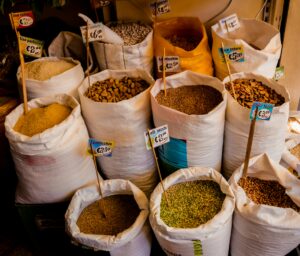
Consumers increasingly prioritize sustainability and ethical sourcing. Restaurants will need to transparently communicate the origins of their ingredients, especially for products like chocolates, nuts, spices, and fresh produce. Partnerships with suppliers who offer traceable, responsibly-sourced items will become essential.
2. Plant-Based and Alternative Proteins
The popularity of plant-based diets continues to surge, pushing restaurants to offer innovative, flavorful vegetarian and vegan options. Alternative proteins, including plant-based meats, seafood substitutes, and lab-grown options, will become menu staples rather than niche offerings.
3. Health-Conscious Dining
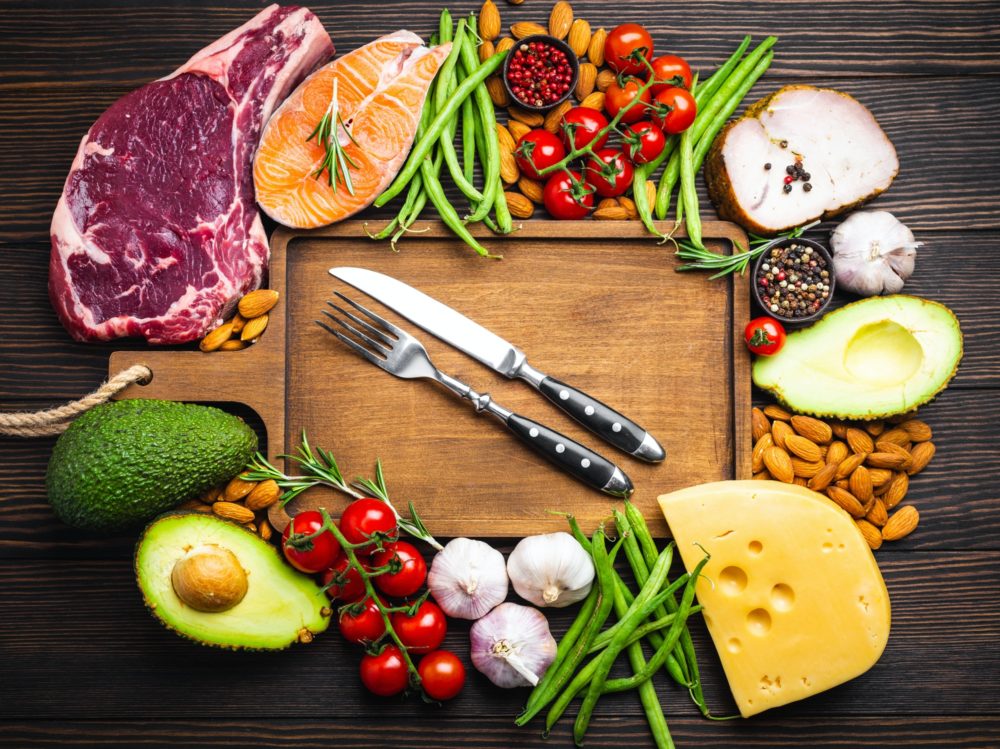
Health awareness is influencing dining choices more than ever. Restaurants must balance flavor and nutrition by incorporating ingredients that support wellness, such as nutrient-rich nuts, purees, gluten-free options, and reduced sugar products like natural syrups.
4. Global Fusion Cuisine
Blending culinary traditions to create exciting new dishes remains highly appealing. Expect to see more fusion dishes combining flavors from diverse culinary backgrounds, particularly Middle Eastern, Asian, Latin American, and European influences.
5. Premium Quality Ingredients
Quality will continue to dominate consumer expectations. Restaurants investing in premium-quality chocolates, creams, spreads, spices, and condiments will distinguish themselves by providing exceptional dining experiences.
6. Enhanced Digital and Delivery Experiences
Technology integration will redefine the dining experience. Seamless digital ordering, advanced delivery packaging, and interactive virtual menus will become the norm. Restaurants should prepare to offer equally exceptional experiences both in-house and through delivery.
7. Functional Foods and Superfoods
Incorporating functional foods and superfoods that promote health benefits beyond basic nutrition will become commonplace. Ingredients like nuts, seeds, berries, spices, and specialty beverages that boost immunity, improve digestion, or enhance mood will be highly sought after.
8. Reduced Waste Practices
Zero-waste kitchens and sustainable packaging practices will be essential. Restaurants adopting waste-reducing strategies such as composting, recycling, reusable packaging, and creative use of ingredients will resonate strongly with eco-conscious consumers.
9. Artisanal and Local Offerings
Consumers are increasingly attracted to artisanal, locally-produced goods. Offering locally sourced chocolates, spices, specialty waters, and unique condiments will appeal to customers’ desire for authenticity and support local economies.
10. Personalized Culinary Experiences
Customization and personalization will continue to trend upwards. Restaurants must provide flexible menu options and tailored dining experiences that accommodate individual dietary preferences and lifestyle choices.
By staying informed about these emerging trends and adapting accordingly, restaurants in Qatar’s dynamic HoReCa sector can ensure sustained growth, customer loyalty, and industry leadership in 2025 and beyond. Connect with reliable global suppliers like JAS Global Trading to source the finest ingredients and stay at the forefront of these industry shifts.